You can install an LED display in several ways depending on its application and installation environment. For example, outdoor LED display installations are generally more complex than indoor installations because they must withstand harsh weather conditions such as strong winds, storms, rain, and temperature fluctuations. In contrast, indoor LED screens face fewer environmental challenges and usually require simpler supporting structures.
Below are the most common LED display installation methods for both indoor and outdoor applications. Understanding each option will help you choose the most suitable solution for your project.
Wall-Mounted Installation
Wall-mounted installation is one of the most popular methods for both indoor and outdoor LED displays.
For indoor applications, installers attach mounting brackets directly to the wall. Before installation, they must carefully calculate the screen's weight to ensure the wall and brackets can safely support the load.
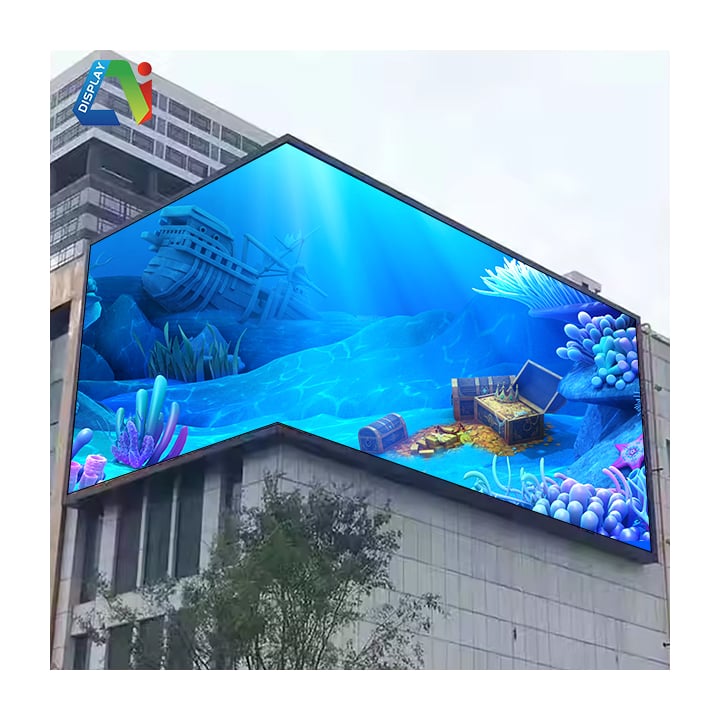
For outdoor applications, such as digital billboards, engineers typically build a custom steel structure and secure it to the building facade. They also leave sufficient maintenance space behind the display to allow technicians to access the screen when necessary. Indoor installations, however, often use a front-service design to simplify maintenance.
Recessed Wall Installation
If you want a cleaner and more integrated appearance, recessed wall installation is an excellent option.
In this method, installers embed the LED display into a wall cavity, creating a flush and seamless visual effect. Most recessed installations use a front-maintenance system because rear access is usually unavailable.
This installation method works for both indoor and outdoor projects. However, it requires careful planning and precise engineering. Designers must calculate the correct installation depth and ensure the wall structure can accommodate the display safely.
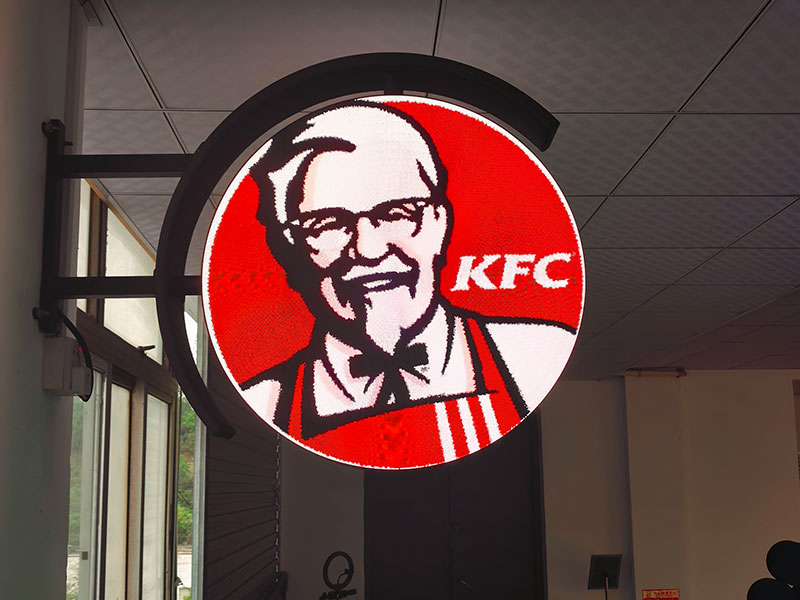
Suspended Installation
Suspended LED displays are common in transportation hubs, sports arenas, exhibition centers, shopping malls, and event venues.
By hanging the screen from the ceiling, operators can maximize visibility in areas with heavy foot traffic. However, engineers must carefully evaluate the ceiling's load-bearing capacity before installation. A strong support structure is essential to ensure long-term safety and prevent accidents.
Pole-Mounted Installation
Pole-mounted installations are widely used for outdoor advertising displays and roadside digital billboards.
This method requires a reinforced concrete foundation to support the pole structure, making it one of the more expensive installation options. Engineers must evaluate several factors during the design process, including soil conditions, wind loads, and local construction requirements.
In addition, they must carefully determine the pole height to maximize visibility without interfering with nearby infrastructure.
The biggest advantage of pole-mounted LED displays is their long-distance visibility. Because the screen sits high above ground level, people can easily see the content from far away.
Depending on the display size, installers typically choose one of two configurations:
Rooftop Installation
Rooftop installation is another effective way to maximize visibility, especially in urban areas with tall buildings.
You can often see rooftop LED displays on commercial buildings, shopping centers, and city landmarks. However, wind load remains one of the most critical design challenges. Since rooftop displays are fully exposed to weather conditions, engineers must design a robust support structure to withstand strong winds.
Compared with pole-mounted installations, rooftop installations generally cost less because they do not require a separate concrete foundation. Nevertheless, engineers must verify that the building structure can safely support the display's weight and the additional wind pressure it will experience.
Mobile LED Displays
Mobile LED displays represent one of the fastest-growing forms of digital advertising.
In this setup, installers mount LED screens on vehicles such as trucks, trailers, or promotional vans. As the vehicle travels through different locations, the display reaches a wider audience and delivers advertising messages to more potential customers.
Because of their flexibility, mobility, and high visibility, mobile LED displays have become increasingly popular for brand promotions, product launches, public events, and outdoor advertising campaigns.
 Hot News
Copyright © 2025 by Shenzhen Aishang Display Technology Co., Ltd - Privacy policy
 EN
EN